Pool Doctors Uganda LtdPool Doctors Uganda Ltd
Mail to us
+256 (0)393 217 410
8am - 6pm
Rm D04

pooldoctors

  • Home
  • Author: pooldoctors
  • Page 3

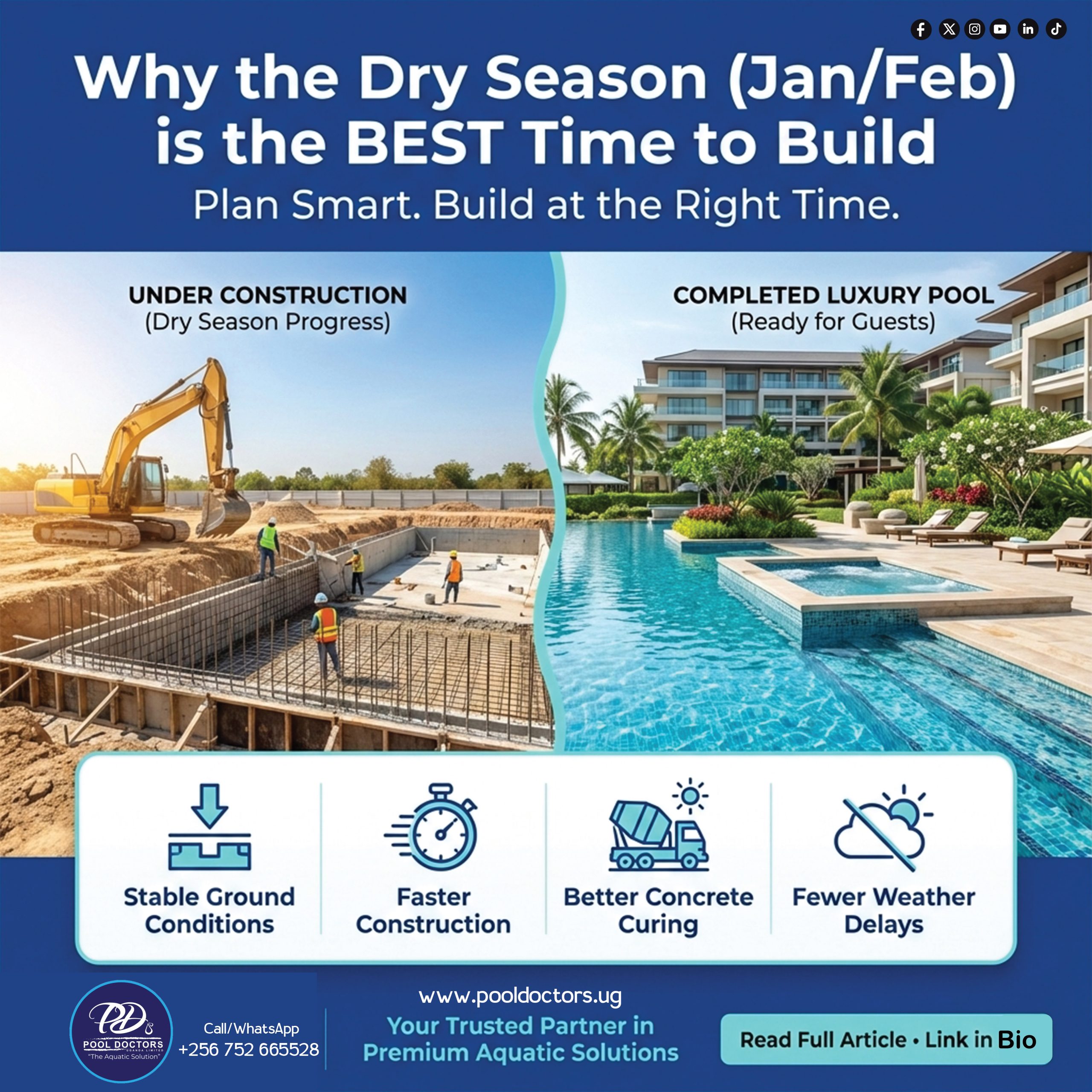
Why the Dry Season (January–February) Is the Best Time to Build

When planning a swimming pool or water feature project, timing is just as important as design and execution. In Uganda, the dry season—particularly January and February—offers the most favorable conditions for construction. For both commercial developments such as hotels and resorts, and high-end residential projects, building during this period results in better quality, faster completion, and fewer disruptions. At Pool Doctors Uganda Ltd, our experience shows that projects started in the dry season consistently deliver superior outcomes. 1. Stable Ground Conditions for Strong Foundations The foundation is the most critical element of any pool construction project. During the dry season, soil conditions are more stable and predictable, reducing the risk of ground movement, soil collapse, or waterlogging during excavation. Dry-season excavation allows for: This is especially important for commercial pools where safety and durability are essential. 2. Faster and More Reliable Construction Timelines Rain is one of the leading causes of construction delays. Wet conditions can halt excavation, disrupt material delivery, and slow down finishing works. January and February provide more predictable weather, allowing construction teams to work efficiently without frequent stoppages. This results in: For hotels and commercial properties, this means opening on schedule and avoiding lost revenue. 3. Better Concrete Curing and Superior Finishes Concrete curing plays a major role in the long-term strength and performance of a swimming pool. Excess moisture from rain can weaken concrete, compromise waterproofing systems, and cause surface defects. Dry-season conditions allow controlled curing, leading to stronger structures and cleaner finishes. 4. Reduced Risk of Water-Related Damage Rainwater can interfere with plumbing installations, electrical systems, and waterproofing layers during construction. Building in the dry season minimizes these risks, ensuring that all components are installed correctly and protected. This significantly reduces future maintenance issues and repair costs. 5. Cost Efficiency and Better Budget Control With fewer delays and disruptions, dry-season construction helps keep projects within budget. Labor and material costs are easier to manage, and there is less wastage caused by weather damage. Starting construction early in the year also allows property owners to plan ahead for peak tourism and business seasons. 6. Ideal Timing for Hotel and Commercial Upgrades For hotels and hospitality businesses, January and February are ideal for upgrading existing pools or adding new water features. Construction can be completed before peak occupancy periods, ensuring minimal disruption to guests. By the time demand increases, facilities are fully operational and ready to deliver an enhanced guest experience. Build Smart. Build at the Right Time. Choosing the right time to build is a strategic decision. The dry season offers technical advantages, financial efficiency, and superior construction quality—making January and February the best time to start your pool or water feature project. At Pool Doctors Uganda Ltd, we guide our clients through every stage of the process, from planning and design to construction and maintenance. Planning a project?📲 Book a site audit today and secure your dry-season build with Pool Doctors Uganda Ltd.
Read more

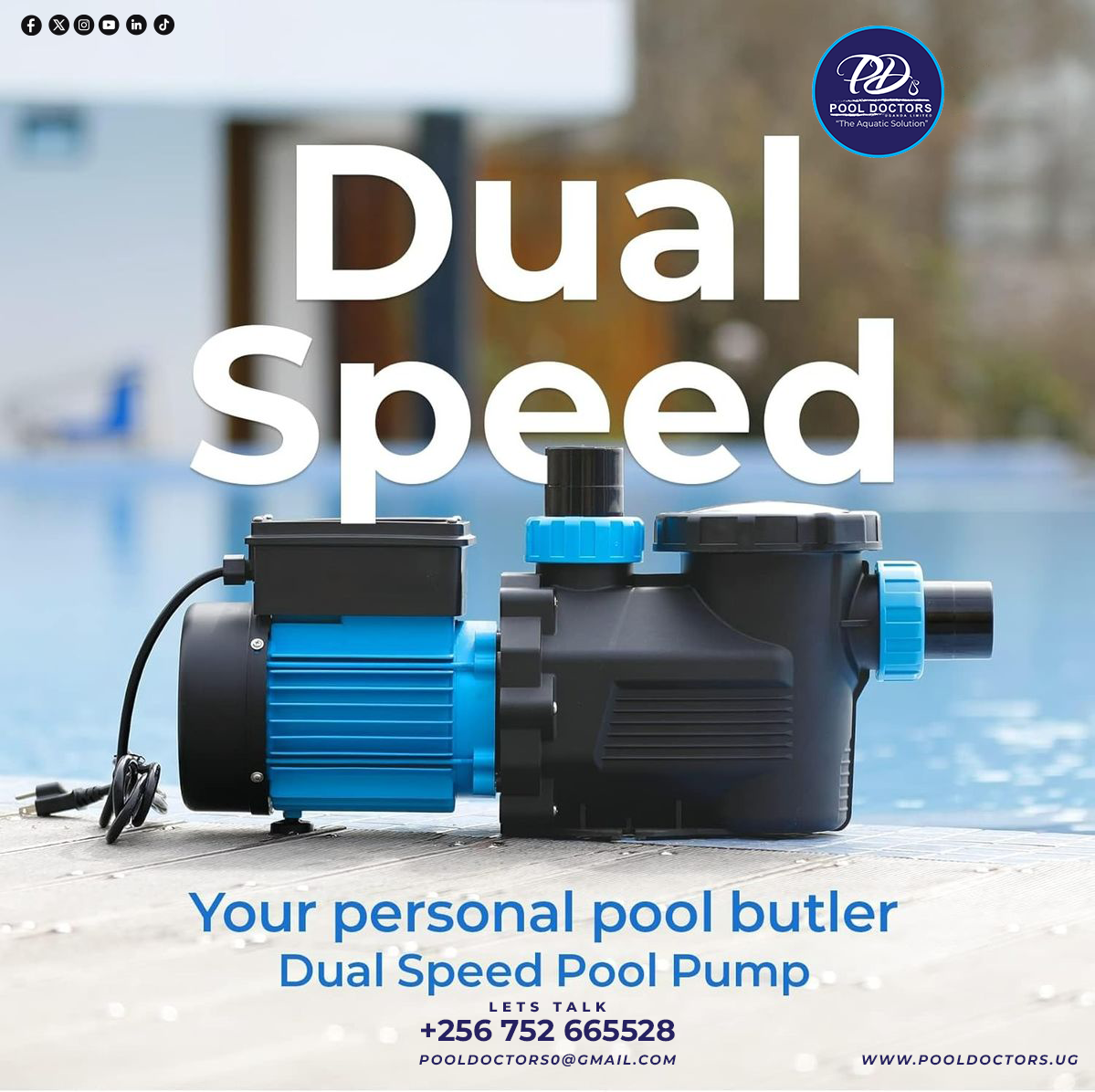
3 Signs You Need a New Pool Pump

Your pool pump is the heart of your pool system. It keeps the water moving, spreads chemicals, and helps maintain safe, clean water. However, no pump lasts forever. When it starts to fail, the signs usually appear slowly. Catching them early can save you money and prevent bigger problems later. If you want to know how long a pump normally lasts, read our Pool Pump Lifespan & Maintenance Tips. You can also review data from the Pool & Hot Tub Alliance here:https://www.phta.org/news/media/equipment-lifespan/ Here are the three clearest signs that your pool pump may need to be replaced. 1. Inconsistent or Weak Water Flow Weak water flow is one of the first symptoms of a failing pump. You may notice dead spots in your pool or cloudy water. This often happens when: Why it matters: Poor circulation leads to algae, cloudy water, and higher chemical use. For more guidance, you can read our Pool Circulation Problems Guide.Here is another helpful resource from In The Swim:https://www.intheswim.com/eGuides/troubleshooting-poor-pool-circulation.html Value Insight: A new pump restores proper flow and helps keep your water clear. 2. Higher Energy Bills A worn pump often uses more energy. You may notice a bill increase even if your pool habits have not changed. Several issues can cause this, including: Why it matters: A pump that struggles to run often uses far more electricity than it should. To learn about energy savings, see the U.S. Department of Energy guide:https://www.energy.gov/energysaver/variable-speed-pool-pumps You can also compare equipment in our Energy-Efficient Pool Equipment Guide. Value Insight: A modern variable-speed pump may reduce energy use by 50–70%. 3. Loud or Unusual Noises Strange noises usually mean something inside the pump has failed. You may hear grinding, screeching, or rattling. These sounds often come from: Why it matters: Noise almost always appears in the later stages of pump wear. This often means a full breakdown is near. If you want more information, read Leslie’s noise guide:https://lesliespool.com/blog/pool-pump-noise-troubleshooting.html You can also visit our Pool Equipment Sound Troubleshooting page. Value Insight: Replacing a noisy pump early can protect the rest of your pool equipment. The Problem → The Solution A failing pump affects your water quality, your energy costs, and your entire system. The good news is that most issues can be caught early. A simple inspection often tells you whether your pump needs repair or replacement. You can read more in this guide from Hayward:https://www.hayward-pool.com/blog/repair-or-replace-pool-pumpOr explore our own Pool Pump Repair vs. Replacement Guide. Final Thought Your pool pump plays a major role in keeping your pool clean and safe. If you notice weak flow, higher energy bills, or loud noises, your pump may be reaching the end of its life. Taking action now can prevent bigger issues later. Don’t wait for a breakdown. Request a service check-up today.
Read more

SWIMMING POOL MAINTENANCE

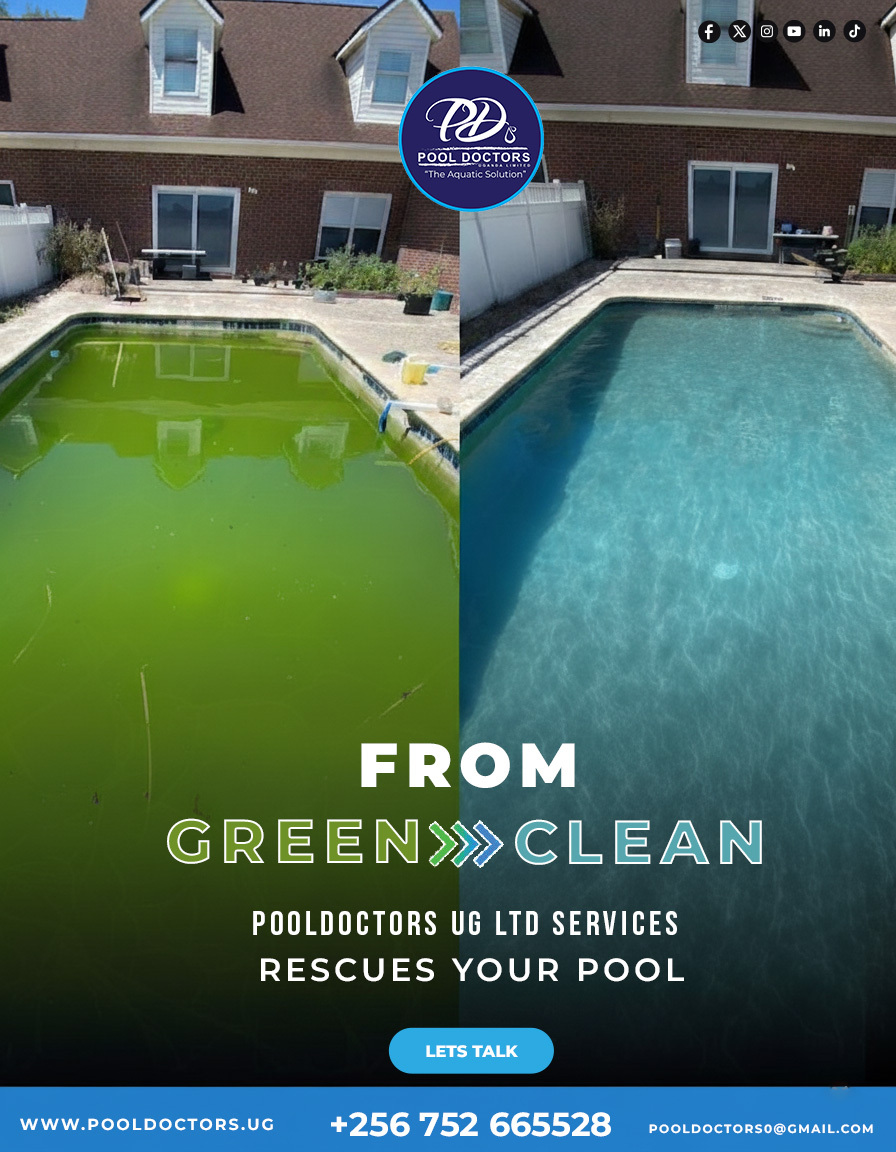
FROM GREEN TO CLEAN FROM GREEN TO CLEAN: The Reliable Green Pool Cleaning Process by Pool Doctors UG Ltd A swimming pool should be refreshing, inviting, and crystal clear. However, when it turns green, it quickly becomes the opposite. Green water is more than a cosmetic issue—it is a sign of algae growth, unbalanced water chemistry, or poor circulation. If neglected, it can become unsafe, expensive to restore, and time-consuming to fix. This comprehensive guide explains everything you need to know about Green Pool Cleaning and how Pool Doctors UG Ltd offers fast, effective, and highly reliable solutions to restore clarity and safety to your pool. ⭐ Why Do Pools Turn Green? Pools typically turn green because algae thrive in warm, stagnant, or chemically imbalanced water. Additionally, these factors contribute: Fortunately, with professional Green Pool Cleaning, any pool can be restored. 🌊 Our Reliable, Step-by-Step Green Pool Cleaning Process At Pool Doctors UG Ltd, reliability is the foundation of our work. Therefore, we follow a proven system to ensure consistent, excellent, and long-lasting results. 1. First, Remove Visible Debris We start by clearing out leaves, insects, and debris. This prevents filter overload and allows chemicals to circulate effectively. 2. Next, Test & Balance Water Chemistry We check chlorine, pH, alkalinity, and stabilizer levels.As a result, disinfectants work effectively and algae lose their environment. Balanced chemistry is essential for reliable Green Pool Cleaning. 3. Then, Shock the Pool (Super-Chlorination) We apply a strong chlorine shock to kill algae.Very green pools may require multiple shocks to fully clean the water. 4. After That, Apply Algaecide This breaks down any remaining algae and prevents future growth.Consequently, your pool remains clear longer. 5. Then, Brush All Pool Surfaces We brush the walls, steps, floor, and corners.This loosens algae so it can be filtered out efficiently. 6. Subsequently, Run the Filter Continuously We run the pool filter 24–48 hours straight to remove dead algae.During this time, we backwash or clean the filter for consistent performance. This step is vital for reliable and effective Green Pool Cleaning. 7. Afterwards, Vacuum the Pool Thoroughly Dead algae settle at the bottom.We vacuum the entire floor to restore perfect clarity. 8. Finally, Rebalance the Water After the water turns clear, we retest and adjust pH, chlorine, and alkalinity.This ensures the pool is safe, comfortable, and ready for swimmers. This step completes the Green Pool Cleaning process. ⭐ The Final Result: Crystal-Clear, Safe Water—Every Time Through this reliable and proven approach, your pool transforms from murky green to sparkling clear. Even if your pool has been neglected for months, our expert team can restore it completely. ⭐ Why Choose Pool Doctors UG Ltd? Your pool deserves dependable care—and that’s exactly what we deliver. ⭐ Ready for Reliable Green Pool Cleaning? 📞 +256 752 665528📧 pooldoctorso@gmail.com🌐 www.pooldoctors.ug Pool Doctors UG Ltd – Reliable. Professional. The Aquatic Solution.
Read more

🛠️ Maintenance Tips

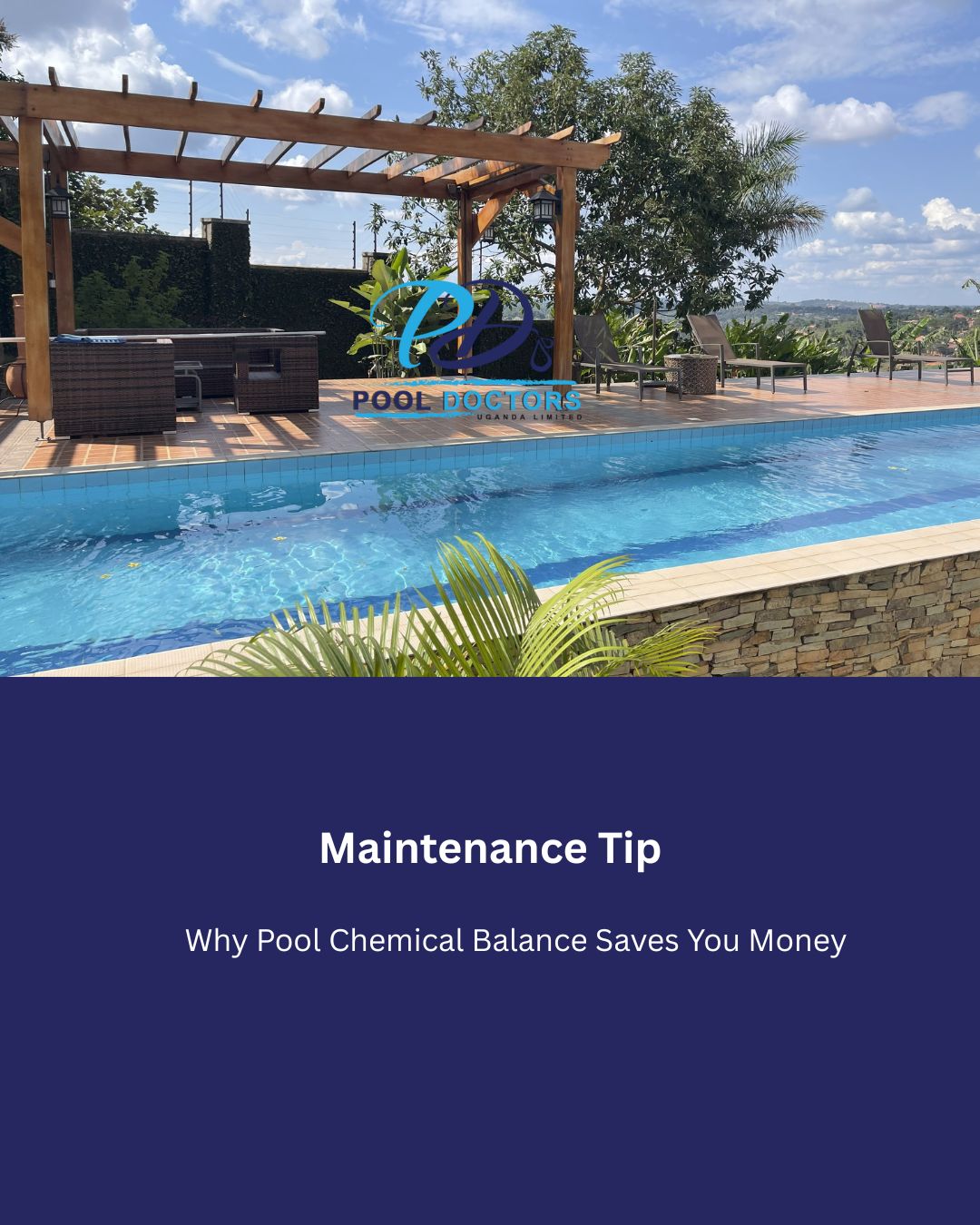
🛠️ Maintenance Tips Maintenance Tip – Why Regular Pool Chemical Balance Saves You Money Long-Term Keeping your pool water balanced isn’t just about clear water — it’s about protecting your investment. Here’s why: 1️⃣ Prevents Costly Repairs – Balanced chemicals protect pool surfaces, tiles, and equipment from corrosion or scaling. 2️⃣ Extends Equipment Life – Pumps, filters, and heaters last longer when water chemistry is right. 3️⃣ Reduces Chemical Waste – Proper balance means you’ll use fewer chemicals over time. 4️⃣ Keeps Water Safe & Healthy – Avoids bacteria growth, algae buildup, and skin irritation. 5️⃣ Saves Money in the Long Run – A small maintenance habit today prevents expensive fixes tomorrow. At Pool Doctors Uganda Limited, we provide: ✅ Pool chemical sales ✅ Professional maintenance services ✅ Consultancy for long-term pool care
Read more

How to overcome site challenges.

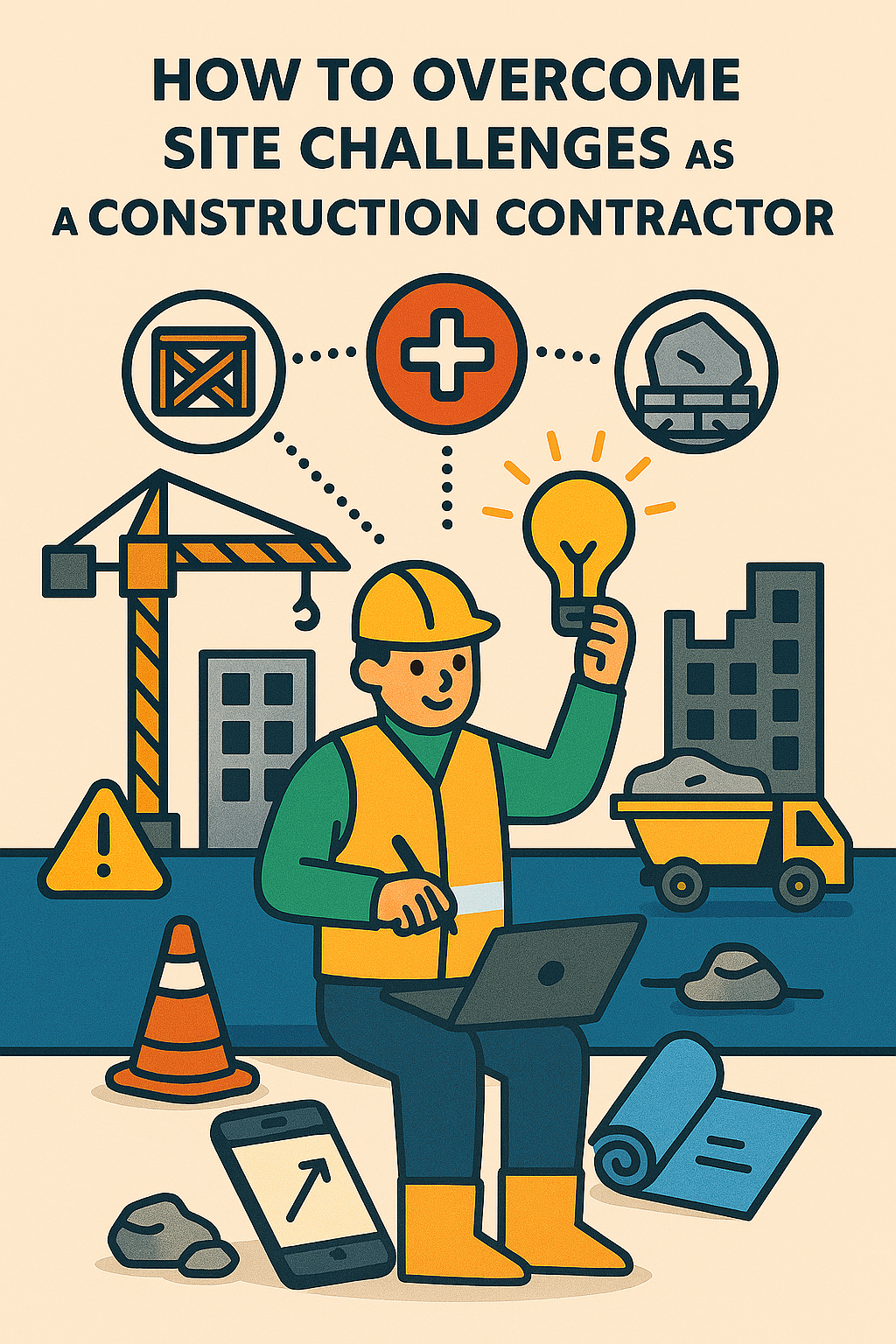
  🏗️ Overcoming Site Challenges: A Survival Guide for Construction Contractors In the world of construction, no two sites are ever the same. From unpredictable weather to logistical nightmares, site challenges are part of the job—but they don’t have to derail your project. The most successful contractors aren’t the ones who avoid problems, but those who know how to tackle them head-on with strategy, flexibility, and grit. Here’s how to turn common site challenges into opportunities for growth and efficiency: 🚧 1. Site Access and Logistics The Challenge: Narrow roads, congested urban areas, or remote locations can make transporting materials and equipment a headache. How to Overcome: Pre-site surveys: Conduct thorough access assessments before mobilization. Staggered deliveries: Schedule materials to arrive in phases to avoid congestion. Use local suppliers: Reduce transport time and costs by sourcing nearby. 🌧️ 2. Weather Disruptions The Challenge: Rain, heatwaves, or unexpected storms can halt progress and damage materials. How to Overcome: Build buffer time into schedules: Account for seasonal weather patterns. Protective measures: Use tarps, temporary shelters, and waterproofing techniques. Flexible work plans: Shift indoor tasks forward when outdoor work is delayed. 🛠️ 3. Labor Shortages and Skill Gaps The Challenge: Finding qualified workers can be tough, especially in peak seasons. How to Overcome: Invest in training: Upskill your current team to fill gaps. Partner with trade schools: Create pipelines for fresh talent. Offer competitive incentives: Retain skilled workers with fair pay and benefits. 📋 4. Regulatory and Permit Delays The Challenge: Navigating bureaucracy can slow down even the most well-planned projects. How to Overcome: Early engagement: Start permit applications as soon as the project is greenlit. Stay informed: Keep up with local building codes and zoning laws. Hire a compliance expert: A dedicated professional can streamline approvals. 🧱 5. Material Shortages and Price Fluctuations The Challenge: Global supply chain issues can lead to delays and budget overruns. How to Overcome: Bulk purchasing: Lock in prices early for critical materials. Alternative sourcing: Identify backup suppliers and substitute materials. Transparent communication: Keep clients informed to manage expectations. 🧭 6. Site Safety and Risk Management The Challenge: Accidents and hazards can lead to injuries, lawsuits, and project shutdowns. How to Overcome: Daily safety briefings: Reinforce protocols and encourage vigilance. Regular audits: Identify and fix risks before they escalate. Empower workers: Encourage reporting of unsafe conditions without fear. 🧠 Final Thoughts: Adaptability Is Your Superpower Construction is a dynamic industry. The ability to adapt, communicate, and problem-solve is what separates good contractors from great ones. Challenges will come—but with the right mindset and systems in place, you’ll not only overcome them, you’ll thrive because of them. So next time the site throws you a curveball, take a breath, rally your team, and remember: every challenge is a chance to build better.
Read more

HOW TO KEEP YOUR PROJECT ON TRACK DURING NATURAL CALAMATIES.

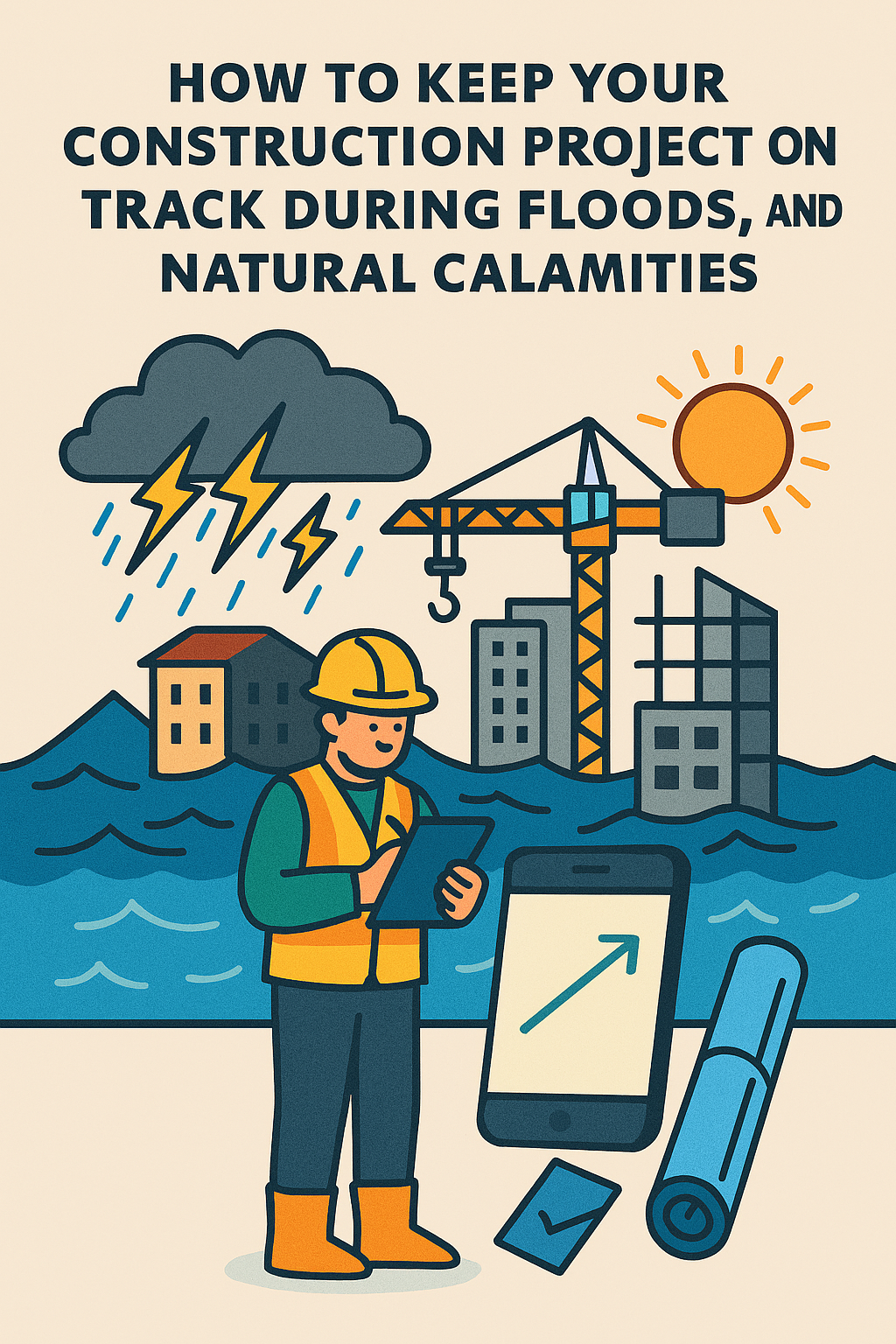
🏗️ Staying on Track: Managing Construction Projects During Floods and Natural Calamities In the unpredictable world of construction, few challenges test a project’s resilience like floods and natural disasters. Whether it’s torrential rains, earthquakes, or landslides, these events can derail timelines, inflate costs, and compromise safety. But with the right strategy, your project doesn’t have to grind to a halt. Here’s how seasoned project managers and site engineers keep construction moving—even when nature throws its worst. 🌧️ 1. Risk Assessment and Site Planning Before the first brick is laid, smart teams assess environmental risks. Topographic studies help identify flood-prone zones and unstable terrain. Drainage planning ensures water runoff doesn’t pool around foundations. Weather data analysis informs seasonal scheduling to avoid peak disaster periods. Pro tip: Use GIS mapping tools to visualize risk zones and plan accordingly. 🛠️ 2. Disaster-Resilient Design Building with resilience in mind isn’t just smart—it’s essential. Elevated foundations protect structures from floodwaters. Flexible joints and shock absorbers help buildings withstand seismic activity. Waterproofing materials and sealants reduce long-term damage. Designing for durability means fewer delays and lower repair costs when calamity strikes. 📋 3. Contingency Planning and Budget Buffers Every project should have a Plan B (and C). Emergency response protocols for evacuation and site shutdown. Alternate supplier networks in case of disrupted logistics. Budget contingencies (typically 10–20%) to absorb unexpected costs. Having these in place turns chaos into manageable disruption. 🧑‍🤝‍🧑 4. Communication and Coordination During a crisis, clear communication saves lives and timelines. Daily briefings keep teams updated on weather alerts and safety measures. Stakeholder updates maintain trust and transparency. Real-time collaboration tools (like construction management software) streamline decisions. When everyone’s informed, recovery is faster and smoother. 🚧 5. On-Site Mitigation Measures Sometimes, the storm hits mid-project. Here’s how to respond: Sandbags and temporary barriers to redirect floodwaters. Securing loose materials and machinery to prevent damage or injury. Suspending high-risk activities like crane operations during strong winds. Quick action can prevent a bad situation from becoming catastrophic. 🔄 6. Post-Disaster Recovery and Adaptation Once the skies clear, it’s time to regroup. Damage assessments guide repair priorities. Revised timelines keep stakeholders aligned. Lessons learned sessions improve future preparedness. Resilience isn’t just about surviving—it’s about evolving. 🌍 Final Thoughts Natural calamities are inevitable. But delays, losses, and safety risks don’t have to be. With proactive planning, adaptive design, and strong leadership, construction projects can weather the storm—literally. So the next time the clouds gather, don’t panic. Prepare, pivot, and push forward.  
Read more

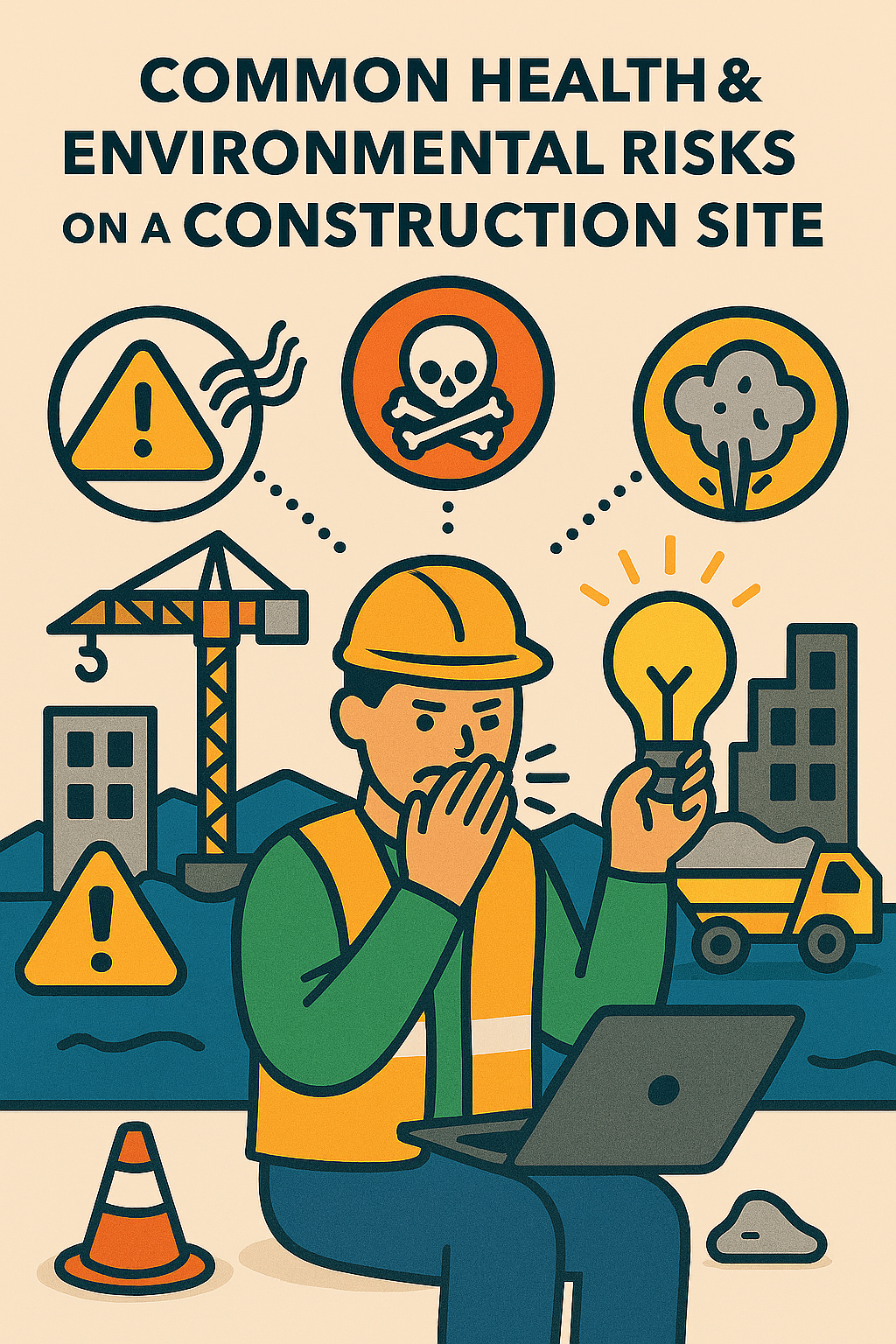
common health environment risks on site.

  🛠️ Common Health & Environmental Risks on Construction Sites — And How to Tackle Them Construction sites are dynamic environments where progress and risk go hand in hand. While the industry builds the future, it also faces serious health and environmental challenges that can impact workers, communities, and ecosystems. Understanding these risks is the first step toward creating safer, more sustainable job sites. Let’s break down the most common threats—and how to manage them effectively. ☣️ 1. Exposure to Hazardous Substances The Risk: Construction workers often come into contact with chemicals like asbestos, silica dust, lead, solvents, and diesel fumes. Long-term exposure can lead to respiratory diseases, skin conditions, and even cancer. Mitigation Strategies: Use PPE (Personal Protective Equipment) like masks and gloves. Train workers on handling hazardous materials. Implement dust suppression techniques and proper ventilation. 🌬️ 2. Air and Noise Pollution The Risk: Heavy machinery, demolition, and welding can release pollutants and generate high noise levels, affecting both workers and nearby residents. Mitigation Strategies: Schedule noisy operations during less disruptive hours. Use sound barriers and low-emission equipment. Monitor air quality and provide hearing protection. 🌡️ 3. Heat Stress and Dehydration The Risk: In hot climates or during peak seasons, prolonged exposure to heat can cause fatigue, heatstroke, and dehydration. Mitigation Strategies: Provide shaded rest areas and hydration stations. Rotate shifts to avoid peak heat hours. Educate workers on recognizing symptoms of heat-related illness. 🦠 4. Poor Sanitation and Hygiene The Risk: Lack of clean water, toilets, and waste disposal can lead to infections, gastrointestinal issues, and disease outbreaks. Mitigation Strategies: Ensure access to clean drinking water and handwashing stations. Maintain hygienic toilets and waste management systems. Conduct regular health and hygiene inspections. 🧱 5. Physical Injuries and Ergonomic Hazards The Risk: Falls, slips, lifting injuries, and repetitive strain are common on construction sites. Mitigation Strategies: Enforce safety protocols and fall protection systems. Train workers in proper lifting techniques. Design tasks to reduce repetitive motion and awkward postures. 🌍 6. Environmental Degradation The Risk: Construction activities can lead to soil erosion, water contamination, and habitat destruction. Mitigation Strategies: Implement erosion control measures like silt fences and vegetation buffers. Properly store and dispose of chemicals and waste. Conduct environmental impact assessments before breaking ground. 🧠 Final Thoughts: Safety Is a Culture, Not a Checklist Health and environmental risks on construction sites are real—but they’re manageable with the right mindset. Building a culture of safety means going beyond compliance. It’s about empowering workers, protecting communities, and respecting the environment. Every brick laid should be a step toward a healthier, safer future.  
Read more

Diving in a Pool, Safety Considerations, Dos, and Don’ts

By Pool Doctors Uganda Ltd Diving into a pool is a thrilling experience that can bring joy and excitement to swimmers of all ages. However, it is important to understand that diving carries risks if safety precautions are not followed. At Pool Doctors Uganda Ltd, we believe that safe swimming and diving practices are essential for preventing injuries and ensuring everyone enjoys their time in the water. Why Safety Matters When Diving Diving accidents can lead to serious injuries such as head trauma, spinal cord damage, and even paralysis. Most pool-related diving injuries occur because of shallow water, poor technique, or lack of awareness about the environment. Taking a few simple precautions can help prevent these incidents and keep your swimming experience safe and fun. Key Safety Considerations for Diving in a Pool 1. Know Your Pool DepthBefore diving, always check the depth of the pool. Diving is generally safe only in deep water, usually at least 9 feet (2.7 meters) deep. Diving into shallow water can result in serious head or neck injuries. 2. Dive in Designated Areas OnlyMost pools have specific areas marked for diving. These zones are designed to provide enough depth and clear space for safe diving. Avoid diving in the shallow ends or areas not designated for diving. 3. Inspect the Pool EnvironmentMake sure the pool area is clear of obstacles like pool toys, floats, or other swimmers. Also, be aware of any slippery surfaces or uneven steps around the pool. 4. Use Proper Diving TechniquesAlways dive with your hands extended forward to protect your head and neck. Enter the water smoothly and at an angle rather than straight down to reduce impact. Dos and Don’ts of Pool Diving Dos Do ensure the pool is deep enough before diving. Do dive in designated deep-water areas. Do learn and practice proper diving techniques. Do supervise children and inexperienced swimmers. Do be aware of your surroundings and other swimmers. Do avoid alcohol or drugs before diving. Don’ts Don’t dive into shallow water or unknown depths. Don’t dive in crowded pool areas. Don’t perform risky dives or flips without proper training. Don’t dive if you are feeling dizzy, tired, or unwell. Don’t push or force others into diving. Final Thoughts Diving can be a safe and enjoyable activity when done responsibly. Pool Doctors Uganda Ltd encourages everyone to prioritize safety to prevent accidents and injuries. Always respect pool rules and guidelines, and if you’re unsure about diving safety, ask a trained lifeguard or swimming instructor for advice. Remember, a safe dive is a happy dive!
Read more

Clean Smarter, Not Harder: The Revolutionary Cleaning Tool You Need!

Clean Smarter, Not Harder: The Revolutionary Cleaning Tool You Need! (Image idea: A person happily cleaning a high window with the extended tool, while another image shows someone easily cleaning under a table with the shortened tool.) Are you still wrestling with heavy buckets, struggling to reach those dusty high corners, or constantly feeling the ache in your back after a cleaning session? If so, it’s time to discover a game-changer that will revolutionize your cleaning routine: the innovative cleaning tool with a telescopic handle! This isn’t just another mop or brush; it’s a smart solution designed to make your cleaning tasks faster, safer, and far more comfortable. Let’s dive into how this ingenious tool will transform the way you clean your home. Efficiency Redefined: Clean Without the Water Woes! Imagine gliding through your cleaning tasks without the endless cycle of filling, emptying, and lugging around heavy water buckets. This tool’s special design means: No More Constant Draining! (Crucially, you’ll need to insert how it achieves this. For example: “Thanks to its integrated spray system and highly absorbent microfiber head, you can clean large areas with just one fill, trapping dirt and moisture without drips or excess water.”) This revolutionary feature saves you precious time and effort, allowing you to move seamlessly from one room to another without interruption. Faster Cleaning Sessions: By eliminating the need for frequent water changes and bucket refills, you can complete your entire cleaning routine significantly faster. More cleaning, less fuss – leaving you more time for what you love! Reduced Water Waste: This eco-friendly design helps conserve water, making your cleaning routine not only easier but also more sustainable for our environment. The Perfect Reach, Every Time: Adjustable Height for Every Task & Every Person The true genius of this cleaning tool lies in its telescopic handle. This isn’t just a fancy feature; it’s the key to unparalleled comfort, effectiveness, and personalized cleaning: Adapt to Any Task with Ease: Reach New Heights: Easily extend the handle to clean high windows, dust ceiling fans, tackle those elusive cobwebs in tall corners, or scrub elevated surfaces. Say goodbye to precarious balancing acts on chairs or tiptoes! Navigate Tight Spaces: Need to clean under the sofa or around tricky furniture legs? Simply shorten the handle for close-up work and effortless maneuvering in compact areas with precision. Tailored to YOU for Ultimate Comfort: Ergonomic Bliss: This is where your health truly benefits! The adjustable height allows anyone – tall, short, or somewhere in between – to find their perfect working posture. You can adjust the handle to avoid uncomfortable bending, stooping, or overstretching. Say Goodbye to Back Pain: By keeping your back straight and your movements natural, you significantly reduce strain on your spine, neck, and shoulders. Cleaning becomes less of a dreaded chore and more of a comfortable activity. Reduced Fatigue: When the tool is perfectly adjusted to your height, your body works more efficiently, leading to less muscle fatigue. You’ll have more energy left for other activities after cleaning! Safety First: Protecting You and Your Home Beyond mere convenience, the telescopic handle is a powerhouse of essential safety features: Eliminates the Need for Risky Ladders and Stools: This is perhaps its most critical safety contribution! No more dangerous climbs on unstable chairs or wobbly ladders to reach high spots. You can now clean elevated areas safely from the ground, drastically reducing the risk of dangerous falls – a leading cause of home injuries globally. Prevents Slips and Falls from Awkward Postures: When you’re not overreaching, stretching precariously, or contorting your body, your balance is naturally better. This significantly minimizes the chance of slipping on wet floors or losing your footing while performing your cleaning tasks. Reduces Strain and Injury: As highlighted with ergonomics, avoiding awkward and strenuous postures directly prevents muscle strains, sprains, and potential long-term musculoskeletal issues. It’s a proactive investment in your physical well-being. Enhanced Control: Working at a comfortable and appropriate height gives you greater control over the cleaning tool. This precision helps prevent accidental bumps, scratches, or damage to your cherished home and belongings. Ready to Transform Your Cleaning? Say goodbye to the old way of cleaning and embrace a smarter, safer, and more efficient future. This innovative cleaning tool with its telescopic handle isn’t just a purchase; it’s an investment in your comfort, your health, and your peace of mind. Find your perfect cleaning companion today and experience the future of effortless, worry-free cleaning!
Read more

The Unseen Guardian: Why PVC Waterstops Are Your Project’s Best Investment

The Unseen Guardian: Why PVC Waterstops Are Your Project’s Best Investment In the world of construction, we often focus on the grand designs, the visible materials, and the final aesthetic. But beneath the surface, there are crucial components that silently ensure the long-term success, safety, and durability of a structure. Among these unsung heroes, the PVC waterstop stands out as a vital element, particularly in any concrete structure that will encounter water – from basement foundations and underground parking garages to swimming pools and water treatment plants. At [Your Company Name], we believe in building with integrity, and that means understanding and utilizing every component to its fullest potential. Let’s delve into why PVC waterstops are not just an expense, but a strategic investment in your project’s future. What Exactly is a PVC Waterstop? Imagine a concrete structure, like a basement wall. Concrete is incredibly strong, but it’s rarely poured as one seamless piece. Instead, we have joints – construction joints where one day’s work ends, or expansion joints designed to allow for the natural movement of concrete with temperature changes. These joints, while necessary, are also potential weak points where water, driven by hydrostatic pressure, can seep through. This is where the PVC waterstop comes in. It’s a flexible, continuous strip of Polyvinyl Chloride (PVC) that is embedded directly within these concrete joints. Its ingenious design, often featuring ribs or a hollow “bulb” in the center, creates a watertight barrier that water simply cannot penetrate. It acts like an integrated gasket, keeping your structure dry from the inside out. The Critical Roles of a PVC Waterstop: Safety & Durability The impact of a PVC waterstop extends far beyond just preventing a damp patch. It plays a foundational role in both the safety and durability of your investment: Enhancing Safety While you won’t see it saving lives in a dramatic movie scene, the safety contributions of a well-installed waterstop are profound: Structural Integrity: Water is the enemy of reinforced concrete. When water seeps into joints, it can reach the steel reinforcement (rebar), causing it to corrode and expand. This “concrete cancer” leads to cracks, spalling, and a significant weakening of the structure. Waterstops prevent this, safeguarding the very skeleton of your building. Preventing Mold and Health Hazards: Leaky basements or underground spaces create damp, stagnant environments – perfect breeding grounds for mold and mildew. These can trigger respiratory issues and allergies, making the space unhealthy for occupants. A dry environment, maintained by waterstops, mitigates these risks. Containment (Crucial for Water & Chemical Facilities): In vital infrastructure like water treatment plants, reservoirs, or industrial containment areas, waterstops ensure that water (or other liquids) stays precisely where it’s supposed to be, preventing contamination of external environments or loss of valuable resources. Boosting Durability & Longevity A building’s durability isn’t just about how long it stands; it’s about how well it performs over its lifetime without requiring costly interventions. Extended Service Life: By effectively blocking water ingress, waterstops dramatically extend the useful life of your concrete structure. They protect it from the insidious effects of water, chemicals, and freeze-thaw cycles, allowing the concrete to perform as intended for decades. Movement Accommodation: Concrete naturally expands and contracts. Waterstops, especially those with a central bulb, are designed to flex and adapt to this movement without tearing or losing their watertight seal. This prevents new cracks from forming in the joints, which would otherwise become future leak points. Chemical Resistance: PVC is inherently resistant to many chemicals often found in groundwater or present in specialized applications (like swimming pool chemicals or industrial waste). This ensures the waterstop itself remains intact and functional in aggressive environments. The Financial Wisdom: Why Investing Now Saves You Big Later This is where the true value of a PVC waterstop becomes undeniable. While there’s an initial cost for materials and specialized installation, consider it an insurance policy against far greater expenses down the road. Avoided Repair Costs: Imagine the cost of excavating a foundation, injecting cracks, replacing corroded rebar, or patching extensive water damage in an already operational building. These repairs are astronomically more expensive, time-consuming, and disruptive than the proactive installation of a waterstop during construction. Investing in waterstops is a classic case of “pay a little now, or pay a lot later.” Reduced Maintenance: A dry structure requires less ongoing maintenance. No need for continuous dehumidification, mold remediation, or costly patching of active leaks. This translates directly into lower operational budgets. Preserved Property Value: A leaky, damp structure depreciates rapidly. By ensuring a dry, durable build, waterstops help maintain and even enhance your property’s long-term market value. Preventing Business Interruption: For commercial or industrial facilities, water damage can lead to costly downtime, loss of revenue, and potential legal liabilities. Waterstops contribute to uninterrupted operations. The Bottom Line In any concrete construction project facing the potential of water ingress, PVC waterstops are not an optional extra; they are a fundamental component of quality, safety, and economic prudence. They are the unseen guardians that protect your investment, ensuring your structure remains dry, durable, and structurally sound for generations. Before your next concrete pour, remember the silent, powerful role of the PVC waterstop. It’s an investment that pays dividends in peace of mind, structural integrity, and long-term financial savings. Ready to ensure the watertight integrity of your next project? Contact the experts at Pool Doctors Uganda Limited today to learn more about our commitment to quality construction and effective waterproofing solutions. Contact: 0752665528
Read more
Shopping Cart (0 items)